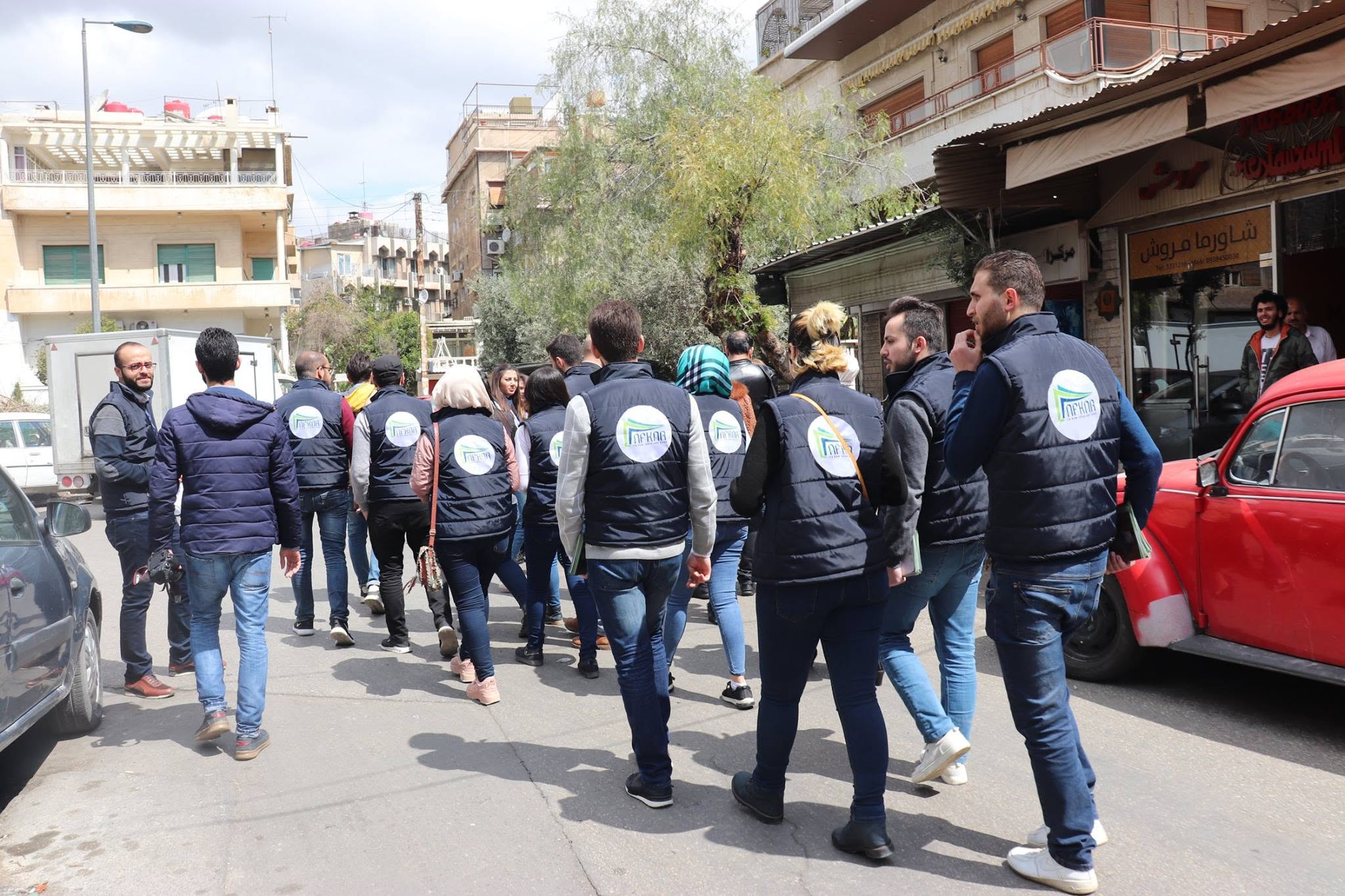
Resilience & Early Recovery
Enhancing resilience by reducing poverty and hunger, creating jobs, improving livelihoods and supporting early-recovery initiatives.
Our Social Responsibility
AFKAR Foundation is the company’s social and development arm, actively contributing to sustainable development and resilience enhancement.
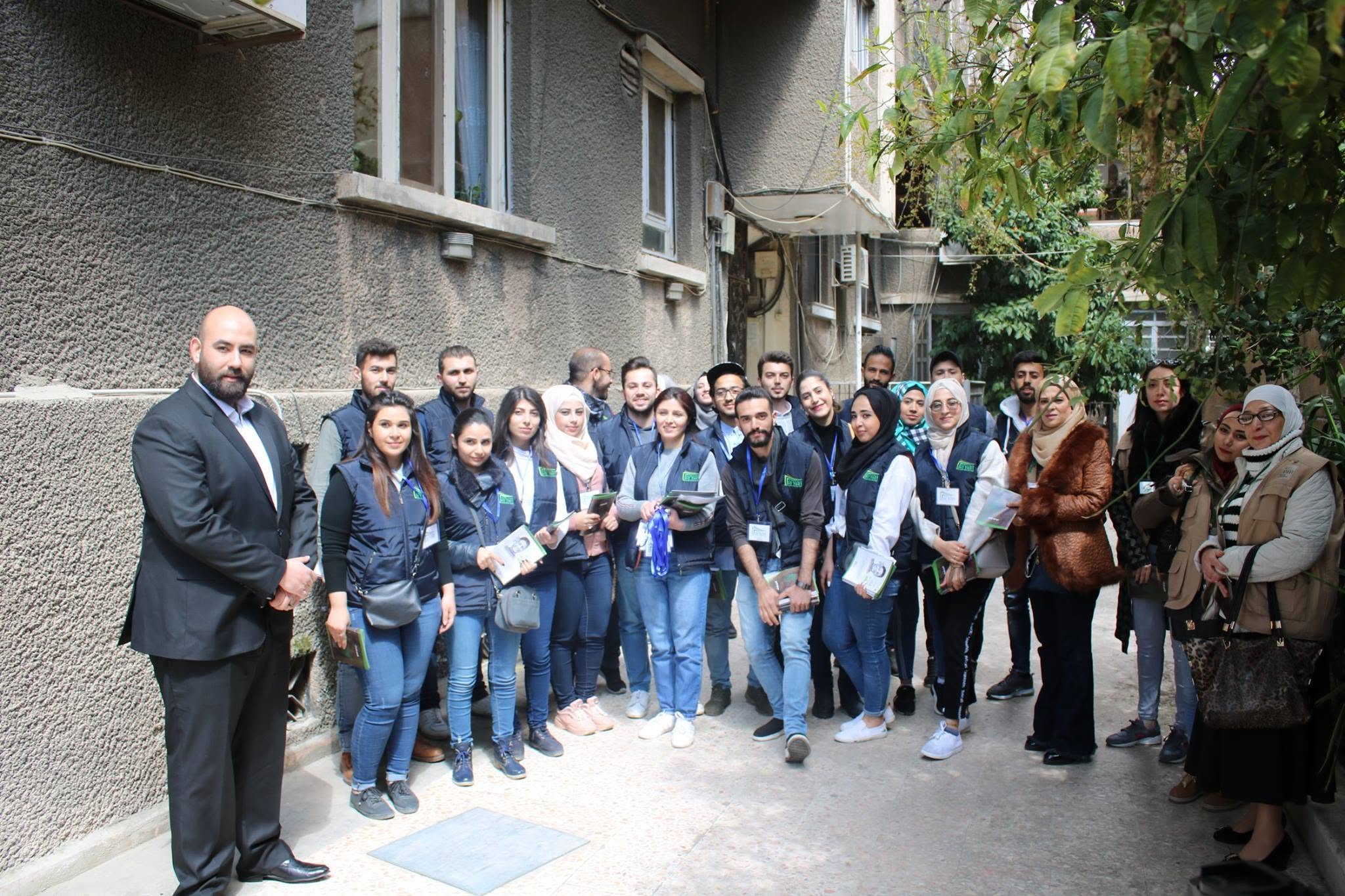
We look forward to a renewed, bright Syria where people are both the purpose and the means, empowering vulnerable groups—among other target groups—to alleviate suffering by re-establishing their lives and restoring livelihoods.
We work in ways that respect people and strengthen their contribution to rebuilding Syria across all sectors.
Enhancing resilience by reducing poverty and hunger, creating jobs, improving livelihoods and supporting early-recovery initiatives.
Protecting and empowering Syrian children everywhere, keeping them away from conflict and helping them complete their education by offering every available form of support.
Given the extensive damage caused by the crisis to the health sector, AFKAR describes health-sector conditions in different regions and identifies their varied needs.
Studies describing water supply in quantity and quality, sanitation and hygiene conditions, with partners to document the water infrastructure on which more than 17 million people in Syria depend.
Energy-sector losses affected all other productive and service sectors. AFKAR therefore seeks to propose alternative, renewable-energy projects that help fill part of Syria’s energy gap.
Women’s empowerment has become an absolute necessity under the Syrian crisis. Women and girls need support to move forward, while many have been compelled to support their families under unfamiliar conditions. They cannot remain outside economic and social activity, so AFKAR intends to integrate gender considerations into proposed project design.
The crisis substantially damaged agricultural production and food trade, causing varying food insecurity for approximately ten million Syrians. Poor families increasingly struggle to obtain basic food needs because of low purchasing power and lost income and livelihoods. AFKAR intends to propose suitable interventions that maintain agricultural activity.