Our Guiding Principles

Ethical, context-sensitive, people-centred work.

Our projects rest on a steadfast commitment to ethical data collection, humanitarian and protection principles, informed by AFKAR’s experience in Syrian contexts and conflict zones.

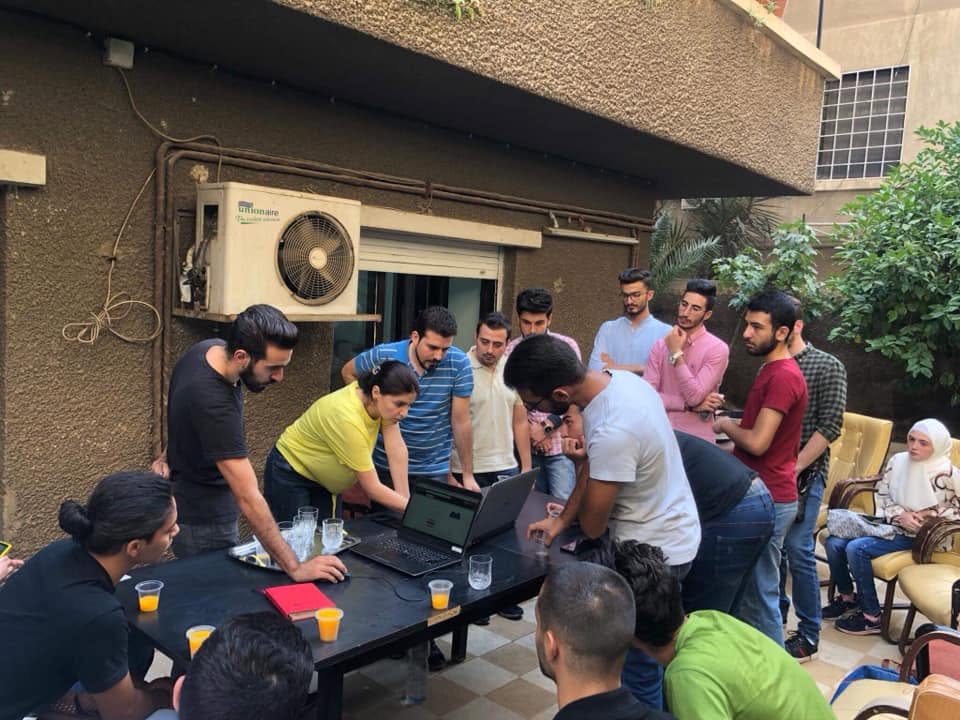
Field research
01

Context & Issue Sensitivity / Do No Harm

The complex Syrian crisis has important implications for both the design and implementation of data-collection activities. Every local context has specific characteristics addressed by project objectives. Considerable attention must therefore be given to tools and processes, avoiding lines of enquiry that could strain relations or jeopardize future operations or outcomes.

Our field teams adopt a context- and issue-sensitive approach, mitigating potential harmful effects that may increase tensions between the client organization and its beneficiaries, donors, authorities or implementing partners. We draw on a substantial record of research in conflict and post-conflict areas, including Do No Harm analysis and risk mitigation for humanitarian NGOs and UN agencies. The principle applies throughout each project.

We advocate collaborative tool and method development and transparency in objectives, activities and operations so the project’s intentions are interpreted correctly.

02

Protection, Training & Safety of Field Teams

Our HR department handles administrative matters for third-party team members and recruitment, as well as training in data-collection methodologies, safety and security. Field-team members may be required to hold the Basic Security Certificate (BSAFE) provided by UNDSS.

03

Gender Sensitivity and Gender, Age & Diversity Mainstreaming

Collecting gender-disaggregated data can be challenging because of cultural norms and security concerns. AFKAR uses gender-sensitive methodologies and tools designed to ensure inclusive participation and gather feedback from men and women across different groups, presenting a holistic picture of how assistance is perceived among key demographics and project subjects.

04

Coherence with Frameworks & Coordination Bodies

AFKAR’s framework for each project avoids parallel or redundant data-collection mechanisms. Instead, it uses data available in target geographic and thematic areas, including credible and reliable proxy sources. An inception period assesses existing processes and checks the quality of information generated to date.

This informs project components designed to fill gaps, verify respondent observations, and ensure simultaneous or redundant assessments are not conducted in the same location or with the same stakeholders.

05

Flexibility

We establish highly flexible work systems adaptable to an evolving context through frequent methodological revision and redesign, and robust, understandable performance-measurement mechanisms. Frequent client engagement ensures field schedules align with critical events during delivery.

06

Respect & Impartiality

Every individual involved in research or consultancy is treated with the highest level of respect and objectivity, irrespective of gender, age, religion or any other demographic or ethnic affiliation.

07

Informed Consent

Before every engagement—including face-to-face interviews, focus-group discussions or similar data-collection methods—participants provide informed consent in their primary language. Consent clearly explains organizational attribution, objectives, how information is collected, used and shared, that participation is voluntary and may stop at any time, and that no additional benefits or incentives will be provided unless otherwise agreed with the client.